FL Gardening Tips

Florida Gardening Tips & Guides

Expert advice on native plants, seasonal planting, water management, and caring for Florida's unique landscape — written for every skill level.

Articles and Tips

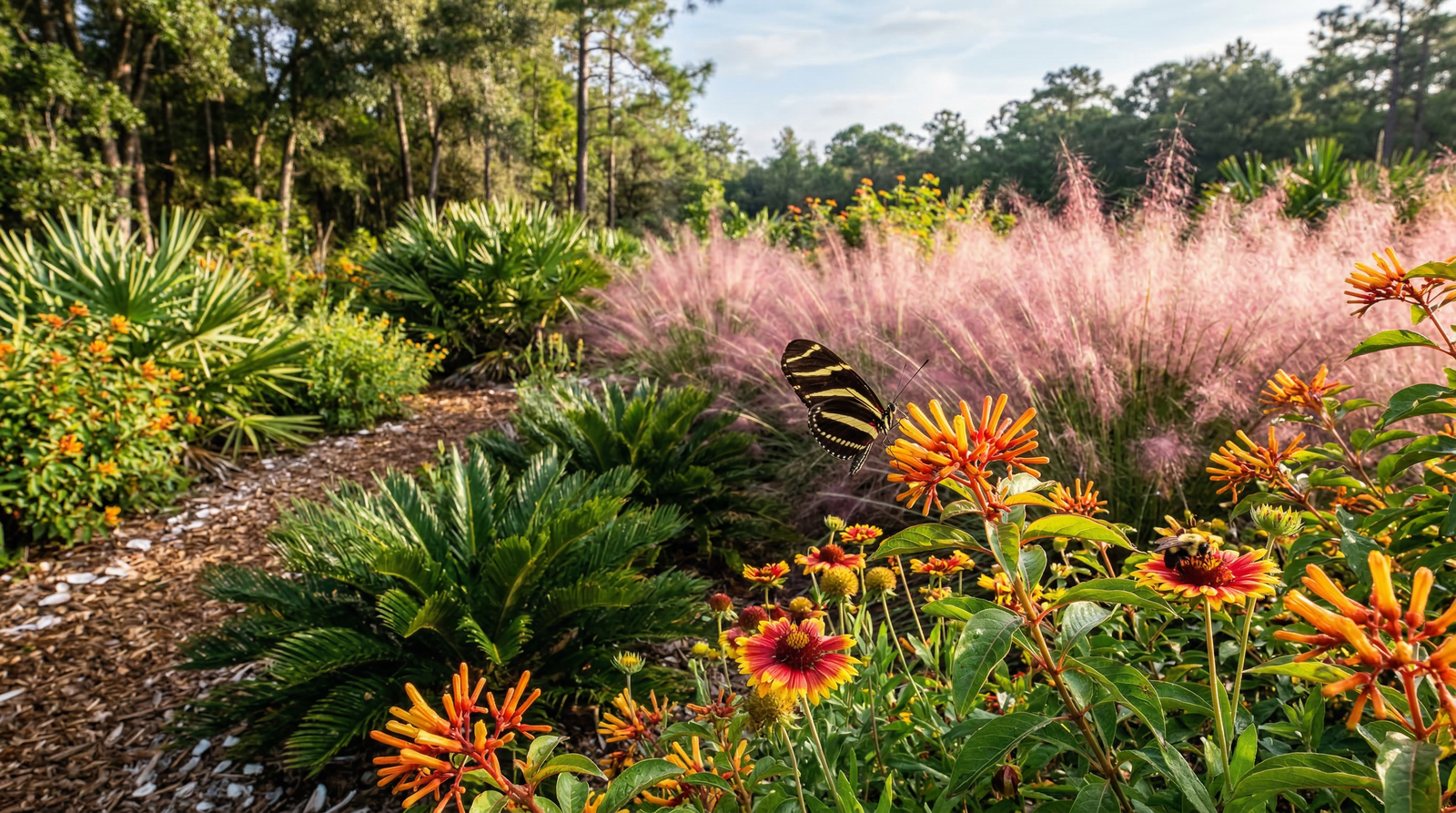
Florida native plant garden with muhly grass, gaillardia and zebra butterfly

The Complete Guide to Florida Native Plants

Florida's native plant palette is one of the most diverse in North America — spanning tropical hardwoods in the Keys, longleaf pine communities in the Panhandle, and everything in between. Using natives isn't just environmentally smart; it's the single best thing you can do to reduce your landscape maintenance burden and water bill.

Key natives to know: Firebush (Hamelia patens), Muhly Grass (Muhlenbergia capillaris), Coontie (Zamia integrifolia), Saw Palmetto (Serenoa repens), Beautyberry (Callicarpa americana), Gaillardia, Coral Honeysuckle, and Florida Privet. These plants have evolved over thousands of years to handle the heat, drought, flooding, and storms that routinely punish non-native alternatives.

Read Full Guide →
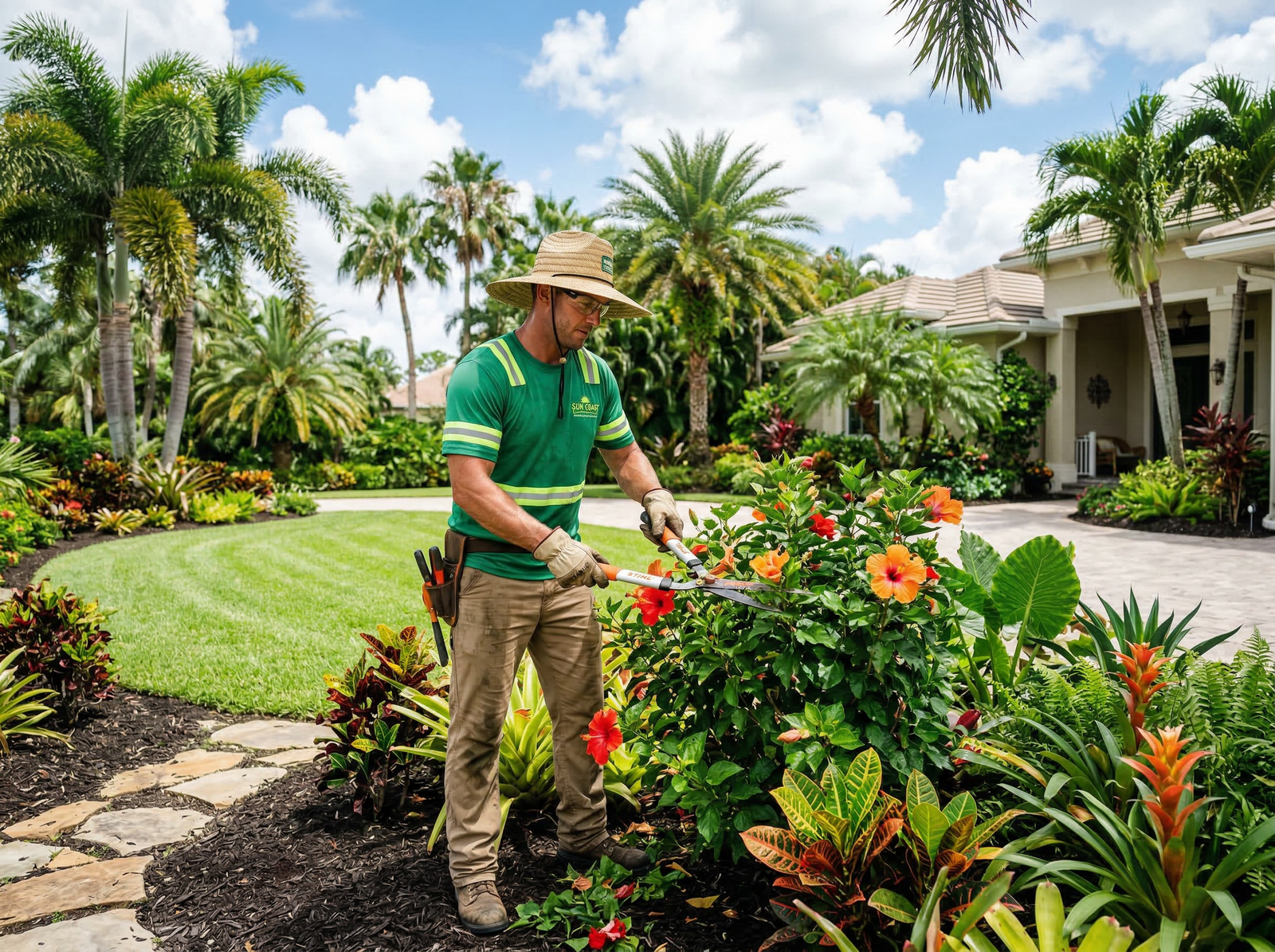
Professional landscaper maintaining a Florida garden

Florida's Gardening Calendar: What to Plant Each Month

Unlike northern states with a single growing season, Florida essentially has two: a warm dry winter season (October–May) and a hot, wet summer (June–September). Most vegetables, herbs, and cool-season annuals thrive in the winter months when humidity and temperatures are manageable.

October–November is your prime time to plant: sod, trees, shrubs, winter vegetables (tomatoes, peppers, squash), and most flowering annuals. June–September is best reserved for water-tolerant natives, tropical plants, and irrigation system maintenance — not new installs.

Read Full Calendar →

Smart Watering in Florida: Avoid the Most Common Mistakes

Florida homeowners over-water more than they under-water — especially during the rainy season. Most water management districts restrict irrigation to 1–2 days per week, but even within those restrictions, the wrong timing and duration wastes enormous amounts of water and can kill plants through root rot.

The golden rules: water at dawn (5–7am) to minimize evaporation and fungal disease. Apply 0.5–0.75 inches per zone, not more. Check your system after every significant rain and use a rain sensor or smart controller. Most established Florida landscapes need zero supplemental irrigation from June through September.

Read Full Article →

Florida Lawn Pests: Identify, Prevent & Treat

Florida's warm climate is a paradise for plants — and unfortunately, pests. The most damaging to Florida lawns include chinch bugs (especially in St. Augustine grass), sod webworms, armyworms, mole crickets, and whiteflies. Early identification is everything; a minor infestation caught in week one is far easier and cheaper to treat than one discovered in month two.

Integrated pest management (IPM) should be your first approach: encourage natural predators (ground beetles, birds), use beneficial nematodes for soil pests, and apply neem oil or insecticidal soap before reaching for synthetic pesticides. For severe infestations, Bifenthrin-based lawn granules are highly effective against a broad range of FL pests.

Read Full Article →